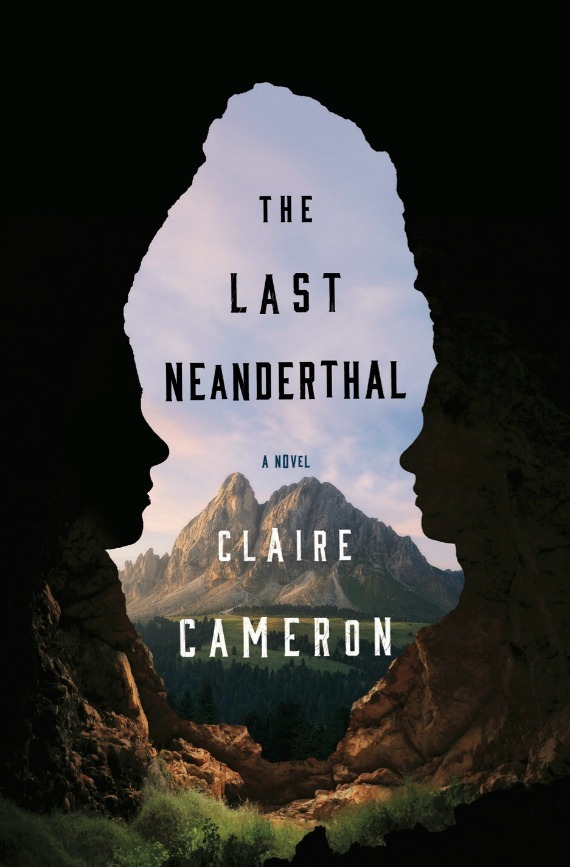
I listened to the audiobook through Libby narrated by two women's voices. There are two parallel stories being told: one in prehistoric times, and one in modern day. The tale of prehistoric survival is given more time in, maybe, a 70/30 distribution. I do love imagining the lives of prehistoric people. I've read Jean M. Auel's whole "Earth's Children" series and a prehistoric adventure by Kim Stanley Robinson called Shaman. I've watched some PBS NOVA documentaries about the latest archeological findings. And I generally enjoy the mostly silly films set in prehistoric times with the '80's The Clan of the Cave Bear and Quest for Fire being pretty great. This book explores a lot of themes related to motherhood. The modern day story is about an archeologist navigating the academic/museum world after she uncovers two skeletons in France. The two skeletons appear to be a Neanderthal and a Homo Sapien who were buried together facing each other. The archeologist wants to stretch our understanding of the relationships between Neanderthals and Homo Sapiens. Are we really so advanced? How did they die out and we survived? I found the prehistoric part of the story more intriguing. We meet a small Neanderthal family who has adopted a young lost or orphaned Homo Sapien boy. He is thought of as a runt to the more stocky Neanderthals. We see one way that the Neanderthals could have died out, and how relationships could be built between the two very similar types of humans. I kind of wish the prehistoric story had gone further into the end of the lives of the two main characters who are found by the archeologist, but the author leaves us with a more open ending in the middle of their lives.


